
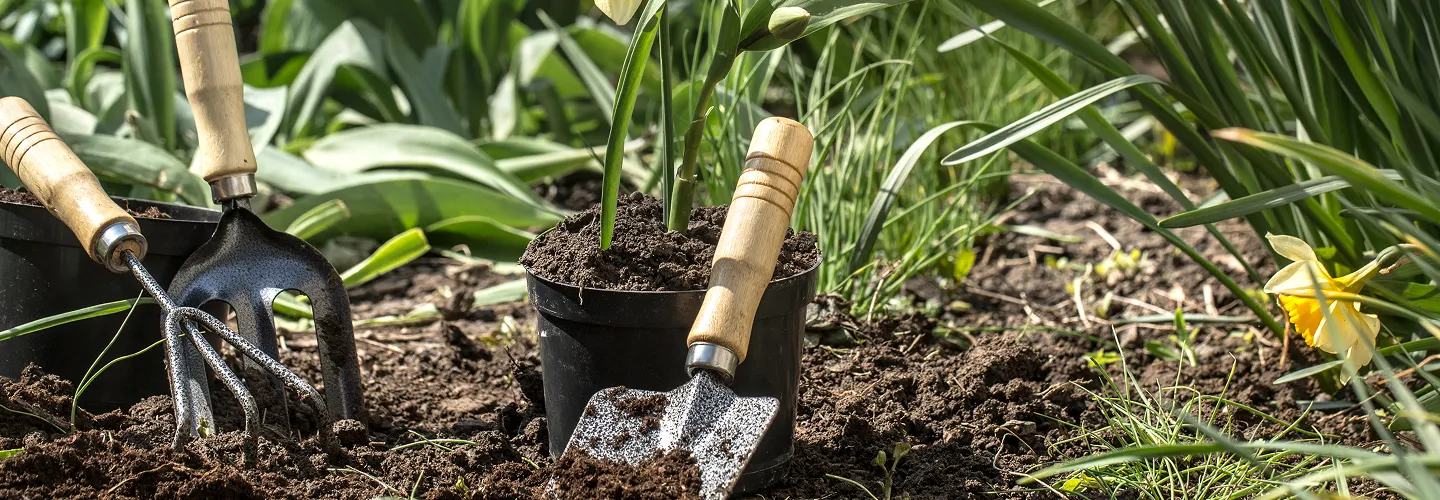
Fayetteville Flower Planting Services
Choose our expert flower planting services for vibrant, long-lasting gardens tailored to your style—enjoy professional care, local expertise, and a yard that stands out all season long.
Get a Free QuoteOur Fayetteville Landscaping & Yard Care Services
When to Schedule Flower Planting in Fayetteville, Georgia – Seasonal Guide
Flower planting in Fayetteville, Georgia, is best scheduled with careful attention to our region’s unique climate and landscape. The optimal planting windows typically fall in early spring, after the last frost date—usually late March to early April—or in early fall, when soil temperatures remain warm but the risk of extreme heat has diminished. Neighborhoods like The Villages at Lafayette Park and areas near the Fayette Pavilion benefit from these timing strategies, as local microclimates and shade from mature trees can influence soil warmth and moisture retention.
Fayetteville’s red clay soils, variable humidity, and occasional drought conditions require thoughtful planning. Monitoring local weather patterns and understanding the city’s precipitation trends are essential for successful flower establishment. Homeowners should also consider municipal guidelines and resources, such as those provided by the Town of Sudbury, for up-to-date information on planting best practices and any seasonal restrictions.
Local Factors to Consider for Flower Planting in Fayetteville
- Proximity to Peachtree City Lake and other water sources
- Tree density and shade coverage in neighborhoods like Stonebriar
- Soil type, especially areas with heavy clay or poor drainage
- Average precipitation and drought risk during summer months
- Terrain variations, such as sloped yards or low-lying spots
- Municipal restrictions or recommended planting dates
Benefits of Flower Planting in Fayetteville

Expert Local Knowledge
Customized Landscape Designs
Seasonal Plant Selection
Enhanced Curb Appeal
Eco-Friendly Practices
Reliable Maintenance Services

Fayetteville Flower Planting Types

Annual Flower Planting
Brighten your landscape with vibrant annuals that bloom throughout the season.
-
Perennial Flower Beds
Enjoy long-lasting beauty with perennials that return year after year.
-
Native Wildflower Gardens
Support local ecosystems with low-maintenance native wildflowers.
-
Shade Garden Plantings
Enhance shaded areas with flowers that thrive in low-light conditions.
-
Pollinator-Friendly Planting
Attract bees, butterflies, and hummingbirds with pollinator-friendly blooms.
-
Seasonal Bulb Planting
Add bursts of color in spring and fall with expertly planted flower bulbs.
-
Container Flower Arrangements
Create flexible, movable displays with custom container flower plantings.
Our Flower Planting Process
Site Evaluation
Soil Preparation
Plant Selection
Careful Planting
Watering and Mulching
Why Choose Fayetteville Landscape Services
-
Fayetteville Homeowners Trust Us
-
Expert Lawn Maintenance
-
Competitive Pricing
-
Professional Team
-
Satisfaction Guarantee
-
Personalized Service
-
Reliable Scheduling
Fayetteville's Piedmont Red Clay Soils and Flower Bed Preparation Standards
Fayetteville, Georgia sits within the Piedmont physiographic region, where soils are predominantly Cecil and Appling series — dense, red clay-rich Ultisols with naturally acidic pH levels typically ranging from 5.0 to 6.0. These soils drain poorly when compacted and can restrict root development for flowering plants if not properly amended before planting. According to the USDA Web Soil Survey, Cecil sandy clay loam is among the most common surface soil types in Fayette County. Property owners preparing flower beds should:
- Incorporate 3–4 inches of organic compost to improve drainage and aeration
- Conduct a soil pH test through UGA Cooperative Extension before selecting plant species
- Apply lime if pH falls below 5.5 to support nutrient availability
- Avoid tilling during wet periods, which worsens clay compaction
Soil amendment is a foundational step that directly affects plant survival rates throughout Fayetteville's warm, humid growing season.
Optimal Flower Planting Windows for Fayetteville's USDA Zone 7b Climate
Fayetteville falls within USDA Plant Hardiness Zone 7b, as confirmed by the USDA Plant Hardiness Zone Map, with average annual minimum temperatures ranging from 5°F to 10°F. This zone supports a long warm-season growing window, but late spring frosts can occur through mid-March, making timing critical for annual and perennial flower installation. The National Weather Service Peachtree City office monitors local conditions relevant to Fayette County. Recommended planting windows include:
- Spring annuals (impatiens, petunias, marigolds): plant after the last average frost date, typically mid-March to early April
- Summer perennials (coneflower, black-eyed Susan, daylily): establish best when planted April through May
- Fall color plantings (pansies, ornamental kale): install September through October for cool-season performance
- Warm-season tropicals (caladiums, vinca): delay until soil temperatures consistently exceed 60°F, generally late April
Monitoring local frost advisories through the National Weather Service Peachtree City office is strongly recommended before committing to early-season installations.
Protecting Fayetteville Stormwater Infrastructure During Flower Planting Activities
Fayetteville's stormwater infrastructure, managed in part through the Fayetteville Public Works Department, includes drainage inlets, detention ponds, and conveyance channels that serve residential and commercial properties throughout the city. Flower planting activities that involve soil disturbance, fertilizer application, or mulch placement near drainage features can contribute to sediment and nutrient runoff if not properly managed. The Georgia EPD Watershed Protection Branch establishes water quality standards applicable to stormwater discharges under the Clean Water Act. Property owners and contractors should:
- Maintain a minimum 10-foot buffer between freshly disturbed planting beds and storm drain inlets
- Avoid applying granular fertilizers within 24 hours of forecasted rainfall
- Use erosion control measures such as silt barriers or straw wattles on sloped beds adjacent to drainage features
- Sweep or blow excess soil and mulch away from curbs and storm inlets after installation
Fayetteville Public Works Department
240 Glynn Street South, Fayetteville, GA 30214
Official Website: Fayetteville Public Works Department
Selecting Heat- and Humidity-Tolerant Flowering Plants for Fayetteville Landscapes
Fayetteville's summers are characterized by high humidity, daytime temperatures frequently exceeding 90°F from June through August, and periodic drought stress between rainfall events. Plant selection must account for these conditions to ensure long-term bed performance without excessive irrigation demand. UGA Cooperative Extension provides regionally adapted plant selection guidance for Piedmont Georgia landscapes. Recommended heat- and humidity-tolerant flowering species for Fayetteville include:
- Coneflower (Echinacea purpurea): drought-tolerant native perennial suited to clay-amended beds
- Lantana (Lantana camara): thrives in full sun and high heat; note that it can spread aggressively — consult UGA Extension - Invasive Species for management guidance
- Salvia (Salvia splendens or S. guaranitica): performs well in Fayetteville's long warm season
- Vinca (Catharanthus roseus): heat-tolerant annual with strong disease resistance in humid conditions
- Rudbeckia (Black-eyed Susan): native-adapted perennial with minimal irrigation requirements once established
Avoid cool-season annuals such as snapdragons and stock during summer months, as they decline rapidly under Fayetteville's heat and humidity.
Fayetteville Code Enforcement Standards Affecting Residential Flower Bed Maintenance
The Fayetteville Code Enforcement division administers property maintenance standards that apply to landscaped areas, including flower beds visible from public rights-of-way. While ornamental planting is generally encouraged, property owners must ensure that bed installations do not create visibility obstructions at intersections, encroach on public sidewalks, or allow plant material to become overgrown in ways that violate nuisance vegetation standards. Key compliance considerations include:
- Flower beds adjacent to sidewalks or curbs must not allow plant material to overhang or obstruct pedestrian access
- Beds near intersections should maintain clear sightlines consistent with local traffic safety requirements — verify current height thresholds with Code Enforcement
- Mulch and soil must be contained within defined bed borders and not deposited onto public pavement or drainage features
- Overgrown or unmaintained beds may be subject to code violation notices; seasonal deadheading and replanting are part of responsible bed management
Fayetteville Code Enforcement
240 Glynn Street South, Fayetteville, GA 30214
Official Website: Fayetteville Code Enforcement
What Neighborhoods Do We Serve Throughout Fayetteville, GA?
- Downtown Fayetteville / Historic District: Older residential lots near the city square feature established tree canopy and compacted clay soils; flower beds in this area benefit from deep organic amendment and shade-tolerant species selections.
- Whitewater Creek Corridor: Properties near Whitewater Creek and its tributaries require careful attention to stormwater runoff from planting beds; buffer maintenance and erosion control are particularly important in this drainage-sensitive area.
- Kenwood / Lees Mill Road Area: Newer subdivisions in this corridor often feature disturbed fill soils with variable drainage; soil testing before planting is strongly recommended to identify amendment needs.
- Flat Creek Estates and Surrounding Subdivisions: Residential lots in this area include a mix of wooded edges and open turf zones; shade-tolerant flowering species perform well along wooded bed margins.
- Beauregard Boulevard Corridor: Higher-traffic frontage properties along this corridor require bed designs that maintain clear sightlines and comply with Code Enforcement visibility standards.
- Tyrone Road Neighborhoods: Established residential areas along Tyrone Road feature mature landscaping and moderate clay soils; perennial flower beds with deep-rooted species establish well with proper soil preparation.