
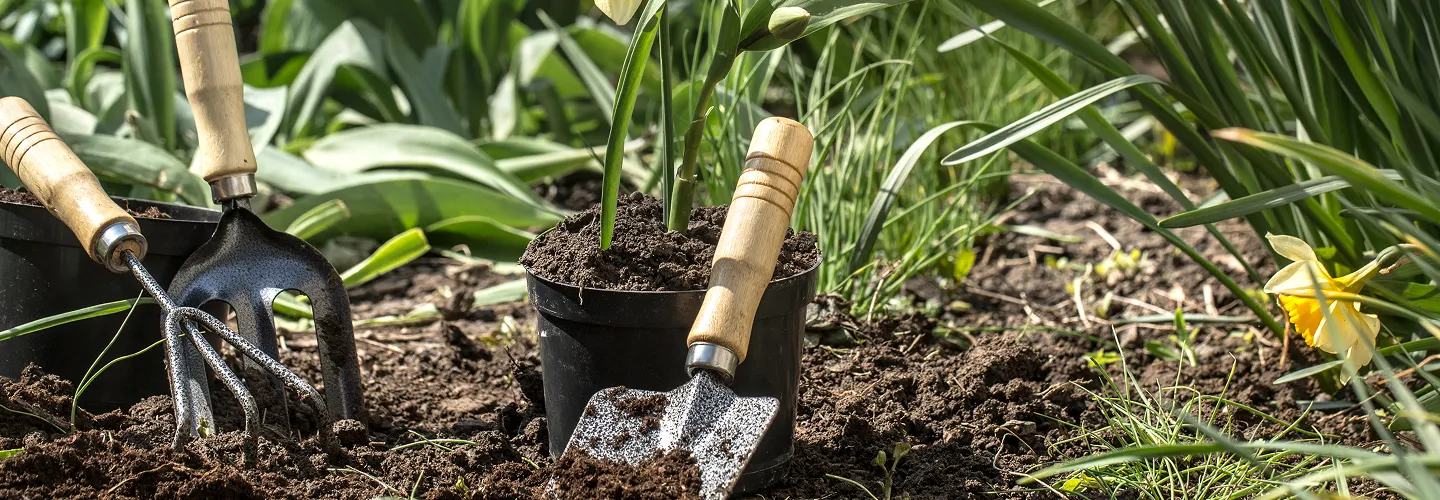
Fayetteville Plant Removal Services
Choose our plant removal experts for safe, thorough, and eco-friendly solutions that restore your landscape’s beauty and health—trusted by Fayetteville homeowners for reliable results.
Get a Free QuoteOur Fayetteville Landscaping & Yard Care Services
When to Schedule Plant Removal in Fayetteville, Georgia – Seasonal Guide
In Fayetteville, Georgia, timing your plant removal is crucial for both the health of your landscape and the efficiency of the process. The region’s humid subtropical climate means that late winter through early spring is often the best window for most plant removals, as plants are dormant and the risk of regrowth is minimized. This period also avoids the peak summer heat and heavy rainfall that can complicate removal efforts, especially in neighborhoods like The Villages at Lafayette Park or near the shaded lots around Lake Horton.
Local environmental factors play a significant role in determining the optimal schedule. Fayetteville’s average last frost date typically falls in late March, making early spring ideal for removing unwanted shrubs or invasive species before new growth begins. Soil type varies across the area, with some properties experiencing dense clay that retains moisture, while others near Whitewater Creek may have sandier, well-drained soils. Homeowners should also consider municipal guidelines and local resources to ensure compliance with any restrictions or best practices.
Local Factors to Consider for Plant Removal in Fayetteville
- Tree density and proximity to structures or utilities
- Terrain slope and accessibility for equipment
- Seasonal precipitation patterns and soil saturation
- Risk of drought or excessive humidity
- Shade coverage from mature trees
- Municipal restrictions or neighborhood association guidelines
Benefits of Plant Removal in Fayetteville
Expert Landscaping Services
Efficient Plant Removal
Eco-Friendly Disposal Methods
Improved Curb Appeal
Customized Solutions
Licensed and Insured Team
Fayetteville Plant Removal Types

Tree Removal
-
Shrub Removal
-
Stump Grinding
-
Invasive Species Removal
-
Hedge Removal
-
Root System Extraction
-
Overgrown Vegetation Clearing
Our Plant Removal Process
Site Evaluation
Preparation and Safety Measures
Plant Extraction
Debris Removal
Site Restoration
Why Choose Fayetteville Landscape Services
-
Fayetteville Homeowners Trust Us
-
Expert Lawn Maintenance
-
Competitive Pricing
-
Professional Team
-
Satisfaction Guarantee
-
Personalized Service
-
Reliable Scheduling
Fayetteville's Piedmont Red Clay Soils and Root Extraction Challenges for Plant Removal
Fayetteville, GA sits within the Piedmont physiographic region, where soils are predominantly Cecil and Appling series — dense, red clay-rich Ultisols with limited drainage capacity and significant compaction in developed areas. According to the USDA Web Soil Survey, these soils typically have a pH range of 5.0–6.0 and slow permeability, which causes root systems of established shrubs, ornamental trees, and invasive groundcovers to bind tightly within compacted clay layers. Property owners should anticipate that plant removal in Fayetteville often requires mechanical root extraction rather than simple hand-pulling, particularly for mature specimens. Key site considerations include:
- Soil depth to clay pan: often 6–18 inches in residential lots
- Root binding: clay compaction causes lateral root spread, complicating full removal
- Backfill requirement: voids left by root extraction in clay soils may require amendment with compost or topsoil to prevent subsidence
- Slope sensitivity: disturbed clay soils on sloped lots are prone to erosion following removal
Fayetteville falls within USDA Hardiness Zone 7b, supporting a long growing season that accelerates regrowth if root systems are not fully extracted.
Invasive Plant Species Removal and Environmental Compliance in Fayetteville
Several invasive plant species documented throughout Fayette County pose significant ecological threats to Fayetteville's wooded corridors, creek margins, and residential landscapes. Species of concern include Chinese privet (Ligustrum sinense), kudzu (Pueraria montana), English ivy (Hedera helix), and Japanese honeysuckle (Lonicera japonica). UGA Cooperative Extension and the UGA Extension Invasive Species program provide identification guides and removal protocols specific to Georgia's Piedmont region. Effective removal requires:
- Mechanical removal during late winter or early spring before seed set
- Stump treatment with herbicide immediately after cutting to prevent resprouting
- Repeated follow-up over 2–3 growing seasons for established infestations
- Disposal away from waterways to prevent vegetative propagation in drainage corridors
When herbicide application is part of the removal process, applicators must comply with the Georgia Pesticide Use and Application Act of 1976 and hold appropriate licensing through the Georgia Department of Agriculture – Licensing, Certification and Employee Registration.
Protecting Fayetteville Drainage Corridors During Plant Removal Operations
Fayetteville's stormwater infrastructure includes drainage ditches, detention ponds, and creek corridors that flow toward the Flint River watershed. Plant removal operations conducted near these features must account for erosion risk, sediment displacement, and debris entry into storm drains. The Georgia EPD Watershed Protection Branch establishes water quality standards applicable to land disturbance activities, and the Clean Water Act governs sediment and pollutant discharge into waters of the United States. Practical precautions for plant removal near drainage features include:
- Install silt fencing or erosion barriers before beginning removal on slopes or near ditches
- Avoid removing deep-rooted vegetation within 25 feet of drainage channels without erosion controls in place
- Remove all cut plant material from drainage swales and storm drain inlets promptly
- Do not dispose of removed plant material in or adjacent to stormwater infrastructure
The Fayetteville Engineering Department oversees stormwater infrastructure planning and can provide guidance on site-specific drainage concerns for larger removal projects.
Fayetteville Engineering Department
110 Johnson Avenue, Fayetteville, GA 30214
Official Website: Fayetteville Engineering
Navigating Fayetteville Code Enforcement Standards for Overgrown and Nuisance Vegetation
Fayetteville's municipal code addresses property maintenance standards that directly affect overgrown vegetation, nuisance plants, and unmanaged growth on residential and commercial parcels. The Fayetteville Code Enforcement division investigates complaints related to vegetation that violates property maintenance ordinances, including excessive weed growth, encroaching shrubs, and vegetation obstructing sightlines at intersections or along public rights-of-way. Property owners should be aware of the following compliance considerations:
- Vegetation exceeding ordinance height thresholds on maintained lots may trigger a notice of violation
- Overgrowth encroaching onto sidewalks, curbs, or adjacent properties is subject to enforcement action
- Removal of nuisance vegetation must be completed within the timeframe specified in any issued notice
- Verify current height thresholds and right-of-way clearance requirements directly with Code Enforcement, as specific measurements may be updated periodically
Fayetteville Code Enforcement
110 Johnson Avenue, Fayetteville, GA 30214
Official Website: Fayetteville Code Enforcement
Debris Disposal and Public Works Coordination After Plant Removal in Fayetteville
Following plant removal, proper disposal of cut vegetation, root masses, and organic debris is essential for compliance with Fayetteville's sanitation and public works standards. The Fayetteville Public Works Department manages sanitation and infrastructure services that govern how yard waste and green debris are handled at the curb and within the right-of-way. Property owners and contractors should follow these disposal guidelines:
- Bundling requirements: woody debris should be cut to manageable lengths (verify current size limits with Public Works)
- Placement timing: place debris at the curb only on or near scheduled collection days to avoid right-of-way obstruction
- Separation from household waste: plant material must be separated from regular solid waste for proper green waste handling
- Large-volume removal: significant quantities of root masses, stumps, or invasive plant debris may require private hauling to an approved facility rather than curbside collection
- Storm drain protection: debris piles must not block storm drain inlets or drainage swales
Confirm current collection schedules and container requirements directly with the Public Works Department, as schedules may vary seasonally.
Fayetteville Public Works Department
110 Johnson Avenue, Fayetteville, GA 30214
Official Website: Fayetteville Public Works Department
What Neighborhoods Do We Serve Throughout Fayetteville, GA?
- Downtown Fayetteville: The historic core features older residential lots with established ornamental plantings, mature shrubs, and compacted Cecil clay soils that complicate root extraction near sidewalks and utility easements.
- Whitewater Creek area: Properties near Whitewater Creek corridors require careful plant removal practices to prevent sediment runoff and debris entry into this sensitive drainage feature.
- Kenwood subdivision: A well-established residential area with mature tree canopy and dense understory growth, where invasive species such as privet and English ivy are commonly encountered along wooded lot edges.
- Loring Hills: Larger residential lots with mixed clay and fill soils typical of Fayette County's suburban development pattern, where deep-rooted ornamental shrubs and groundcovers require mechanical extraction.
- Tyrone Road corridor: Properties along this developing corridor include newer subdivisions with disturbed fill soils and limited topsoil depth, affecting root system behavior and post-removal stabilization needs.
- Flat Creek area: Low-lying lots near Flat Creek drainage corridors require erosion controls during plant removal to protect water quality in this Flint River tributary watershed.
- Redwine Road neighborhoods: Established subdivisions with wooded rear lots where invasive groundcovers and shrubs frequently encroach from wooded buffers into maintained landscape beds.